

Aquarium Fish Tank Plants: The Complete Low-Tech Guide

If you’re new to planted tanks, or you’ve tried before and everything melted… got eaten… or got dug up by cichlids (we’ve all been there), this guide is for you. You don’t need fancy gear, injected CO₂, or a high-tech setup to grow healthy aquarium fish tank plants that actually survive. With the right plants and a simple routine, your tank can turn into a clean, stable, beautiful ecosystem — even if you’re just starting out.
Table of Contents
Why Add Live Plants to Your Aquarium?
Natural Filtration + Lower
Nitrates Aquarium fish tank plants act like mini filters. They eat up ammonia, nitrite, and nitrate — meaning fewer big water changes and way more stable water quality. Even a lightly planted tank can notice the difference.
More Oxygen = Happier Fish
When the lights are on, plants release oxygen directly into the water. Your fish breathe easier, get less stressed, and move more naturally. Shrimp, snails, guppies — everyone benefits.
Less Algae Without Chemicals
Healthy plants outcompete algae. Instead of scrubbing green fuzz off glass weekly, let your plants steal the nutrients algae rely on. A balanced planted aquarium regulates itself over time.
Best Aquarium Fish Tank Plants for Beginners
These are hardy, low-tech, and new-aquarist-proof.
Java Moss – Zero Effort
Attach to wood, rock, or let it float. No real maintenance required. Fish fry and shrimp love hiding in it.
Anubias Nana – Slow but Tough
Rhizome plant = don’t bury it. Glue or tie to decor and leave it. Works in low light and goldfish usually ignore it.
Hornwort – Fast Growth, Fast Nitrate Removal
Perfect for messy fish. Grows wild with very little care and absorbs nutrients like a sponge. Float it or anchor it.
Amazon Sword – Big, Bold, Background Plant
Root-feeder. Looks stunning in bigger tanks. Add root tabs every month or two for huge growth.
Cryptocoryne Wendtii – Color Options
You might see melt at first — don’t panic. Once it settles, it bounces back thicker and brighter.
Simple Low-Tech Setup (No Stress, No CO₂)
Substrate Depth
2–3 inches is plenty. Sand or gravel both work — just add root tabs for heavy feeders like swords and crypts.
Lighting
6–8 hours daily. Look for a 6,500K daylight spectrum light. Too much light = algae party. Balance is everything.
Fertilizing
You don’t need ten bottles — a good all-in-one fertilizer weekly + root tabs monthly is enough for most tanks.
Planting Tips
Remove rockwool, spread roots gently, don’t bury rhizomes. A trim after planting helps with melt and encourages new growth.
Common Problems & Fast Fixes
Melting Leaves
Normal during adjustment. Leave roots in place and new leaves come in strong.
Algae
Lower the light to 6 hours, add faster growers like Hornwort, and keep up with weekly water changes.
Stunted or Pale Growth
Almost always nutrient related. Add all-in-one fertilizer or more root tabs.
Where to Buy Aquarium Fish Tank Plants Online
AquaFindr Vendors
You’ll find healthy, submersed-grown aquarium plants from trusted sellers — fewer melt issues, faster growth, higher survival.
What to Look For
Clear leaves, no rot, visible roots, honest product photos. Healthy plants should look crisp, not mushy.
With the right beginner plants and a simple low-tech routine, anyone can build a healthy planted aquarium without CO₂, expensive gear, or constant maintenance battles. Java moss, Anubias, Hornwort, Amazon Swords, and Crypt Wendtii are all hardy choices that handle beginner mistakes and still thrive long-term.
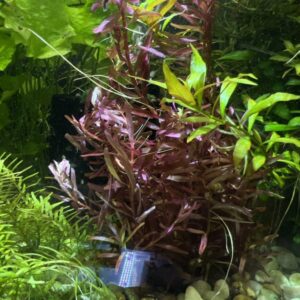
Aquarium Fish Tank Plants


Start slow, plant consistently, keep your lighting balanced, and feed your plants just like you feed your fish. Before long, you’ll have a thriving, balanced aquascape that looks good, feels good, and almost takes care of itself.
Live plants truly change the whole vibe of a fish tank — they make the water cleaner, the fish calmer, and the entire setup more natural and alive. Whether you’re upgrading from plastic decor or rebuilding after a goldfish-buffet disaster — you can succeed with aquarium fish tank plants, and this guide gives you every tool to make it happen.
Quick FAQ for Beginners
Do I need CO₂?
Nope — not for these plants.
Is sand okay?
Yes — just root tab your heavy feeders.
How many plants per gallon?
Aim for at least one plant per gallon to stabilize your ecosystem faster.